


Zoe
3 days ago
Cristina is incredibly friendly, sincere, and gentle. During treatment, she always patiently inquired about my feelings, which made me feel very at ease. She listens attentively to her patients' needs and is a highly recommended doctor!

James Twinley
5 days ago
As always lovely to visit cristina. So happy with the results and advice. Will be back soon love Charlotte x

Hatice A
6 days ago
Very warm and welcoming staff. had 1ml lip filler by amazing Cristina and im very happy with the results, will be going back for more work done.

corrine maskell
6 days ago
Dr Cristina is excellent. She explains everything to you and what would work for you. I have had radio-frequency with Juvelook and my skin looks amazing. I have also had fillers and botox. Dr Crisina is a keeper. I will keep coming back for treatments.

Marta Mucha
3 months ago
Can highly recommend Dr Cristina. She’s incredibly caring, genuine and knowledgable. You’ll get an honest advice on what will or won’t work for you, no sales pitch. Very gentle and precise with the procedures as well. I’m always super happy with my results and they last a long time.

Selina A
3 months ago
I've been seeing Dr. Cristina for a couple of years now, and that's why I feel so confident recommending her. I have had a variety of treatments with her, and every experience has been consistently professional, personalised and genuinely enjoyable as I never feel judged or self conscious, as I have in past clinics.
What sets Dr. Cristina apart is her expertise. She has an exceptional knowledge of facial and body aesthetics, and she takes the time to explain her recommendations without ever making you feel as though she's looking for faults or trying to sell you treatments you don't need. Her advice is thoughtful, honest and tailored to you. She has a calm, reassuring way about her, while her professionalism gives you total confidence that you're in expert hands.
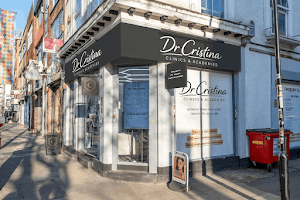
Although it's moments from the bustle of Finsbury Park Station (not far from where I live) walking into the clinic feels like stepping into a peaceful boutique retreat. It's somewhere you can switch off from the outside world for a while, in peace and enjoy being looked after. I always leave feeling refreshed, more confident and ready for whatever I'm doing —as though I've treated myself to something really special.
For me, that's what makes Dr. Cristina so special. It's never just about the treatment; it's about being listened to. She has a genuine gift for helping people look and feel their best, and I couldn't recommend her more highly.

Stephanie Leung
3 months ago
I have had aesthetic treatments with Dr. Cristina for over two years, and every experience has been excellent. From the very first consultation, she took the time to understand my concerns and the look I wanted to achieve. She never rushes appointments and always explains the different treatment options, making sure I feel comfortable and informed before going ahead.
I love that she focuses on natural-looking results rather than overdoing anything. She always gives honest, professional advice and only recommends what she genuinely believes is best for me. At every appointment, she remembers my previous treatments and works to refine and improve the results, so each visit feels tailored to me.
I always leave feeling more confident and reassured that I am in safe, experienced hands. I trust her completely and wouldn’t go anywhere else. I highly recommend Dr. Cristina to anyone looking for a skilled, caring, and professional aesthetic doctor.

Hans Kapllanaj
3 months ago
Excellent experience! I had Botox with Cristina, and I absolutely love the results. So happy that I recommended my mum too, and we’re both delighted. Highly recommend!

Oana Craciun
3 months ago
I’m so happy with my experience today! The results are beautiful and natural, and I left feeling so much more confident. Thank you for your amazing work—I highly recommend!

Rosie S
3 months ago
I’ve been going to Cristina for Botox and filler for over two years now and I honestly wouldn’t go anywhere else. She’s got such a good eye for what suits your face, and she’s always so careful and thorough with everything. I always feel really listened to and never rushed.
I’ve been so happy with the results every single time. They always look natural, fresh and exactly what I wanted. I’d 100% recommend Cristina to anyone.

R R
3 months ago
I had several sessions of EMSculpt at the clinic to regain muscle tone after having a baby. My experience with Dr Cristina has been amazing! It’s clear she genuinely cares about her service users. Her daughter is also wonderful and very easy to chat to. A great experience all round, and I would highly recommend!

jiani wang
3 months ago
Thanks for Dr Cristina. I had a really perfect Botox injection for my calfs. She is so professional and patient. I will recommend everyone who wants Botox to do here!

Fraser Scott
3 months ago
Incredible clinic and practitioner! I have never felt so comfortable getting a treatment done as I did with Dr Cristina - she is the loveliest, most professional person you could choose to do your treatment 🙂 cannot thank you enough!

Kelly C
4 months ago
I recently visited Dr Cristina’s Clinic and had such a positive experience from start to finish.
I was warmly welcomed, which immediately put me at ease. Dr. Cristina was incredibly reassuring and positive when discussing expected results, downtown and taking the time to answer all of my questions thoroughly.
Dr. Cristina carried out my treatment, she was professional, knowledgeable and made sure I was fully comfortable. I felt confident that I was in very safe hands throughout the entire visit.
The clinic itself is very clean, calming, and the whole team were attentive and supportive. I’m really looking forward to seeing the results over the coming weeks and would highly recommend Dr Cristina to anyone considering any treatments!

Evelyn Li
4 months ago
I've been a regular client of Dr. Cristina's for a while now and every visit has been a wonderful experience. She's incredibly attentive, always takes the time to explain everything, and genuinely cares about her clients. Today I came in for the Dermolift offer and she went above and beyond by kindly treating my trapezius as well — such a thoughtful touch. Her technique is precise and gentle, and I always leave feeling well looked after. If you're looking for someone who combines real expertise with warmth, Dr. Cristina is the one. Highly recommend!

Xue Zhang
4 months ago
It was a truly great experience. The doctor is incredibly friendly and professional (and beautiful!). My friend recommended this place to me, which is why I flew there from Dublin. Now I can tell you it's totally worth it. I don't think this clinic needs any ads; as long as customers see the doctor's gorgeous face, she can take good care of herself, and that's how we feel. Highly recommended! The doctor's techniques are very professional, and she provides excellent emotional support. They have many Asian clients. My friend recommended this place to me. If you go, you can try negotiating the price with the doctor; she's very nice and might even offer a better deal.

Maz Dia
4 months ago
I had such a deeply positive experience with Kristina that I genuinely left feeling lighter and cared for. The practitioner didn’t just treat me, she took her time to explain everything with patience and warmth, and she made sure every single concern I had was heard and understood.
There was no rushing, no pressure, just genuine support and kindness. Her staff were just as lovely and made me feel safe from the moment I walked in.
It’s rare to find a clinic where you feel emotionally held as well as professionally looked after, but that’s exactly what I experienced here. I’m truly grateful.

Harmonie
4 months ago
Best clinic in London. Dr Cristina is so attentive to detail, kind and really makes you feel comfortable at all times. Second time here and I will definitely be coming back for all future treatments! Loving my results already.

Jingyi jia
4 months ago
I’ve now had two Botox treatments with Dr Cristina, and I’ve been very happy with the results both times. She is incredibly friendly, welcoming, and takes the time to listen to your concerns and explain everything clearly, which made me feel comfortable throughout the process.
The clinic is also very easy to find, just a short walk from Finsbury Park station. The whole experience has been smooth and professional from start to finish. I would definitely recommend Dr Cristina to anyone considering aesthetic treatments and will happily return in the future.

Skyler Sun
4 months ago
Dr. Cristina is great. She's very knowledgeable and genuinely cares about each of her patients. I have been going here for more than 2 years and have never been disappointed with the service I've received. Highly recommended whether you have specific requests or just generally want to have a consultation.

Zahide Demiralp
4 months ago
We had a wonderful experience with Cristina. My husband had masseter botox treatment and Cristina was warm, professional and very informative throughout the entire process. She made us feel comfortable from the moment we arrived and we are extremely pleased with the results. Highly recommended! ⭐⭐⭐⭐⭐

aileenkellegher
4 months ago
Got Botox here and it was an amazing expensive the staff are so lovely and the clinic is super clean. I can already see a difference and I’m delighted with the results. I would highly recommend.

Rong
4 months ago
I can’t even remember how many times I come and visit Dr Cristina! She’s so professional and friendly!

Andreea Duman
4 months ago
I had such an amazing experience and I honestly couldn’t be happier with the results! From the moment I walked in, everything felt professional, clean, and welcoming.
Dr Cristina is the best . She really takes the time to understand exactly what you want. I got facial treatment and lip fillers, and the results are absolutely beautiful—natural, balanced, and exactly what I was hoping for. My face looks refreshed and enhanced, not overdone at all.
You can tell she truly cares about her clients and her work. I felt completely safe and in great hands the entire time.
I highly recommend her to anyone looking for high-quality beauty treatments. I will definitely be coming back! 💕

S B
4 months ago
I’ve been a regular for a few months now, and I’d like to say that I’ve seen changes with my body after attending EMS Sculpt sessions. Also the service is great, I recommend the clinic!

Emil Gheorghe Pandele
5 months ago
I had treatment done with cristina and she is amazing of what she is doing , very lasting results

Aneta Sawicka
5 months ago
I’ve been going to my beautiful Cristina for years and I couldn’t recommend her enough. She is highly professional, always gives honest advice, and makes every appointment such a lovely experience with her warm and friendly personality.

Sophie Noton
5 months ago
I cannot recommend Christina and her clinic highly enough. I’ve trusted her with my face for years, and she has consistently done an amazing job. Her knowledge, professionalism, and attention to detail always make me feel completely confident that I’m in the best hands.

alisha
5 months ago
I’ve had multiple treatments with Cristina, she is very skilled and listens well to understand what you would like. She does custom techniques which really stand out from other practitioners that I’ve been to in London, and the results are always really great and long lasting.
The appointments are never rushed and she has a warm and calming approach, I always feel v comfortable - won’t go anywhere else for aesthetics treatments. I highly recommend Cristina’s clinic!

Selma Ky
5 months ago
I have been going to Dr Cristina for more than 6 years, and I can honestly say she is incredibly talented. She always knows exactly what my face needs.Every time I leave, I feel so happy and confident. I always receive lovely compliments afterwards, which makes me feel even better.
She is professional, skilled, and truly knows what she is doing. I am always very satisfied with the results.
I strongly recommend her to everyone. Thank you so much, Dr Cristina!💗💗

Georgia King
5 months ago
I have done all my training with Christina and she has also been my go for treatments for the last 6 years! I recommended her to everyone! She’s amazing for treatments and training if you’re looking to get into the Industry!

Lorena Leja
5 months ago
Christina has a great hand and eye, she is a very skilled practitioner, she is honest and wont let you do unnecessary treatments, instead she will advice you and tell you not to waste your money, that's what I love about her. X

Victtor Amorim
6 months ago
I recently completed my injectable training with Cristina and had a great experience.
She was professional, knowledgeable, and explained everything clearly, which made me feel confident throughout.
The training was well-structured and hands-on, and I left feeling much more comfortable with my skills. I’d highly recommend Cristina to anyone looking to get into injectable treatments.

Florentina Bornea
6 months ago
I recently had my lip filler and Botox done, and I honestly couldn’t be happier with the results. She did an absolutely amazing job. Everything looks so natural and perfectly balanced, exactly what I was hoping for. Not only is she incredibly skilled and professional, but she’s also such a lovely and kind person who makes you feel completely comfortable throughout the whole process.
I would highly recommend her to anyone thinking about getting treatments done, you’ll be in the best hands!
Zoe
3 days ago
Cristina is incredibly friendly, sincere, and gentle. During treatment, she always patiently inquired about my feelings, which made me feel very at ease. She listens attentively to her patients' needs and is a highly recommended doctor!
James T.
5 days ago
As always lovely to visit cristina. So happy with the results and advice. Will be back soon love Charlotte x
Hatice A
6 days ago
Very warm and welcoming staff. had 1ml lip filler by amazing Cristina and im very happy with the results, will be going back for more work done.
corrine M.
6 days ago
Dr Cristina is excellent. She explains everything to you and what would work for you. I have had radio-frequency with Juvelook and my skin looks amazing. I have also had fillers and botox. Dr Crisina is a keeper. I will keep coming back for treatments.
Marta M.
3 months ago
Can highly recommend Dr Cristina. She’s incredibly caring, genuine and knowledgable. You’ll get an honest advice on what will or won’t work for you, no sales pitch. Very gentle and precise with the procedures as well. I’m always super happy with my results and they last a long time.
Selina A
3 months ago
I've been seeing Dr. Cristina for a couple of years now, and that's why I feel so confident recommending her. I have had a variety of treatments with her, and every experience has been consistently professional, personalised and genuinely enjoyable as I never feel judged or self conscious, as I have in past clinics.
What sets Dr. Cristina apart is her expertise. She has an exceptional knowledge of facial and body aesthetics, and she takes the time to explain her recommendations without ever making you feel as though she's looking for faults or trying to sell you treatments you don't need. Her advice is thoughtful, honest and tailored to you. She has a calm, reassuring way about her, while her professionalism gives you total confidence that you're in expert hands.
Although it's moments from the bustle of Finsbury Park Station (not far from where I live) walking into the clinic feels like stepping into a peaceful boutique retreat. It's somewhere you can switch off from the outside world for a while, in peace and enjoy being looked after. I always leave feeling refreshed, more confident and ready for whatever I'm doing —as though I've treated myself to something really special.
For me, that's what makes Dr. Cristina so special. It's never just about the treatment; it's about being listened to. She has a genuine gift for helping people look and feel their best, and I couldn't recommend her more highly.
Stephanie L.
3 months ago
I have had aesthetic treatments with Dr. Cristina for over two years, and every experience has been excellent. From the very first consultation, she took the time to understand my concerns and the look I wanted to achieve. She never rushes appointments and always explains the different treatment options, making sure I feel comfortable and informed before going ahead.
I love that she focuses on natural-looking results rather than overdoing anything. She always gives honest, professional advice and only recommends what she genuinely believes is best for me. At every appointment, she remembers my previous treatments and works to refine and improve the results, so each visit feels tailored to me.
I always leave feeling more confident and reassured that I am in safe, experienced hands. I trust her completely and wouldn’t go anywhere else. I highly recommend Dr. Cristina to anyone looking for a skilled, caring, and professional aesthetic doctor.
Hans K.
3 months ago
Excellent experience! I had Botox with Cristina, and I absolutely love the results. So happy that I recommended my mum too, and we’re both delighted. Highly recommend!
Oana C.
3 months ago
I’m so happy with my experience today! The results are beautiful and natural, and I left feeling so much more confident. Thank you for your amazing work—I highly recommend!
Rosie S
3 months ago
I’ve been going to Cristina for Botox and filler for over two years now and I honestly wouldn’t go anywhere else. She’s got such a good eye for what suits your face, and she’s always so careful and thorough with everything. I always feel really listened to and never rushed.
I’ve been so happy with the results every single time. They always look natural, fresh and exactly what I wanted. I’d 100% recommend Cristina to anyone.
R R
3 months ago
I had several sessions of EMSculpt at the clinic to regain muscle tone after having a baby. My experience with Dr Cristina has been amazing! It’s clear she genuinely cares about her service users. Her daughter is also wonderful and very easy to chat to. A great experience all round, and I would highly recommend!
jiani W.
3 months ago
Thanks for Dr Cristina. I had a really perfect Botox injection for my calfs. She is so professional and patient. I will recommend everyone who wants Botox to do here!
Fraser S.
3 months ago
Incredible clinic and practitioner! I have never felt so comfortable getting a treatment done as I did with Dr Cristina - she is the loveliest, most professional person you could choose to do your treatment 🙂 cannot thank you enough!
Kelly C
4 months ago
I recently visited Dr Cristina’s Clinic and had such a positive experience from start to finish.
I was warmly welcomed, which immediately put me at ease. Dr. Cristina was incredibly reassuring and positive when discussing expected results, downtown and taking the time to answer all of my questions thoroughly.
Dr. Cristina carried out my treatment, she was professional, knowledgeable and made sure I was fully comfortable. I felt confident that I was in very safe hands throughout the entire visit.
The clinic itself is very clean, calming, and the whole team were attentive and supportive. I’m really looking forward to seeing the results over the coming weeks and would highly recommend Dr Cristina to anyone considering any treatments!
Evelyn L.
4 months ago
I've been a regular client of Dr. Cristina's for a while now and every visit has been a wonderful experience. She's incredibly attentive, always takes the time to explain everything, and genuinely cares about her clients. Today I came in for the Dermolift offer and she went above and beyond by kindly treating my trapezius as well — such a thoughtful touch. Her technique is precise and gentle, and I always leave feeling well looked after. If you're looking for someone who combines real expertise with warmth, Dr. Cristina is the one. Highly recommend!
Xue Z.
4 months ago
It was a truly great experience. The doctor is incredibly friendly and professional (and beautiful!). My friend recommended this place to me, which is why I flew there from Dublin. Now I can tell you it's totally worth it. I don't think this clinic needs any ads; as long as customers see the doctor's gorgeous face, she can take good care of herself, and that's how we feel. Highly recommended! The doctor's techniques are very professional, and she provides excellent emotional support. They have many Asian clients. My friend recommended this place to me. If you go, you can try negotiating the price with the doctor; she's very nice and might even offer a better deal.
Maz D.
4 months ago
I had such a deeply positive experience with Kristina that I genuinely left feeling lighter and cared for. The practitioner didn’t just treat me, she took her time to explain everything with patience and warmth, and she made sure every single concern I had was heard and understood.
There was no rushing, no pressure, just genuine support and kindness. Her staff were just as lovely and made me feel safe from the moment I walked in.
It’s rare to find a clinic where you feel emotionally held as well as professionally looked after, but that’s exactly what I experienced here. I’m truly grateful.
Harmonie
4 months ago
Best clinic in London. Dr Cristina is so attentive to detail, kind and really makes you feel comfortable at all times. Second time here and I will definitely be coming back for all future treatments! Loving my results already.
Jingyi J.
4 months ago
I’ve now had two Botox treatments with Dr Cristina, and I’ve been very happy with the results both times. She is incredibly friendly, welcoming, and takes the time to listen to your concerns and explain everything clearly, which made me feel comfortable throughout the process.
The clinic is also very easy to find, just a short walk from Finsbury Park station. The whole experience has been smooth and professional from start to finish. I would definitely recommend Dr Cristina to anyone considering aesthetic treatments and will happily return in the future.
Skyler S.
4 months ago
Dr. Cristina is great. She's very knowledgeable and genuinely cares about each of her patients. I have been going here for more than 2 years and have never been disappointed with the service I've received. Highly recommended whether you have specific requests or just generally want to have a consultation.
Zahide D.
4 months ago
We had a wonderful experience with Cristina. My husband had masseter botox treatment and Cristina was warm, professional and very informative throughout the entire process. She made us feel comfortable from the moment we arrived and we are extremely pleased with the results. Highly recommended! ⭐⭐⭐⭐⭐
aileenkellegher
4 months ago
Got Botox here and it was an amazing expensive the staff are so lovely and the clinic is super clean. I can already see a difference and I’m delighted with the results. I would highly recommend.
Rong
4 months ago
I can’t even remember how many times I come and visit Dr Cristina! She’s so professional and friendly!
Andreea D.
4 months ago
I had such an amazing experience and I honestly couldn’t be happier with the results! From the moment I walked in, everything felt professional, clean, and welcoming.
Dr Cristina is the best . She really takes the time to understand exactly what you want. I got facial treatment and lip fillers, and the results are absolutely beautiful—natural, balanced, and exactly what I was hoping for. My face looks refreshed and enhanced, not overdone at all.
You can tell she truly cares about her clients and her work. I felt completely safe and in great hands the entire time.
I highly recommend her to anyone looking for high-quality beauty treatments. I will definitely be coming back! 💕
S B
4 months ago
I’ve been a regular for a few months now, and I’d like to say that I’ve seen changes with my body after attending EMS Sculpt sessions. Also the service is great, I recommend the clinic!
Emil Gheorghe P.
5 months ago
I had treatment done with cristina and she is amazing of what she is doing , very lasting results
Aneta S.
5 months ago
I’ve been going to my beautiful Cristina for years and I couldn’t recommend her enough. She is highly professional, always gives honest advice, and makes every appointment such a lovely experience with her warm and friendly personality.
Sophie N.
5 months ago
I cannot recommend Christina and her clinic highly enough. I’ve trusted her with my face for years, and she has consistently done an amazing job. Her knowledge, professionalism, and attention to detail always make me feel completely confident that I’m in the best hands.
alisha
5 months ago
I’ve had multiple treatments with Cristina, she is very skilled and listens well to understand what you would like. She does custom techniques which really stand out from other practitioners that I’ve been to in London, and the results are always really great and long lasting.
The appointments are never rushed and she has a warm and calming approach, I always feel v comfortable - won’t go anywhere else for aesthetics treatments. I highly recommend Cristina’s clinic!
Selma K.
5 months ago
I have been going to Dr Cristina for more than 6 years, and I can honestly say she is incredibly talented. She always knows exactly what my face needs.Every time I leave, I feel so happy and confident. I always receive lovely compliments afterwards, which makes me feel even better.
She is professional, skilled, and truly knows what she is doing. I am always very satisfied with the results.
I strongly recommend her to everyone. Thank you so much, Dr Cristina!💗💗
Georgia K.
5 months ago
I have done all my training with Christina and she has also been my go for treatments for the last 6 years! I recommended her to everyone! She’s amazing for treatments and training if you’re looking to get into the Industry!
Lorena L.
5 months ago
Christina has a great hand and eye, she is a very skilled practitioner, she is honest and wont let you do unnecessary treatments, instead she will advice you and tell you not to waste your money, that's what I love about her. X
Victtor A.
6 months ago
I recently completed my injectable training with Cristina and had a great experience.
She was professional, knowledgeable, and explained everything clearly, which made me feel confident throughout.
The training was well-structured and hands-on, and I left feeling much more comfortable with my skills. I’d highly recommend Cristina to anyone looking to get into injectable treatments.
Florentina B.
6 months ago
I recently had my lip filler and Botox done, and I honestly couldn’t be happier with the results. She did an absolutely amazing job. Everything looks so natural and perfectly balanced, exactly what I was hoping for. Not only is she incredibly skilled and professional, but she’s also such a lovely and kind person who makes you feel completely comfortable throughout the whole process.
I would highly recommend her to anyone thinking about getting treatments done, you’ll be in the best hands!
Zoe
3 days ago
Cristina is incredibly friendly, sincere, and gentle. During treatment, she always patiently inquired about my feelings, which made me feel very at ease. She listens attentively to her patients' needs and is a highly recommended doctor!
James Twinley
5 days ago
As always lovely to visit cristina. So happy with the results and advice. Will be back soon love Charlotte x
Hatice A
6 days ago
Very warm and welcoming staff. had 1ml lip filler by amazing Cristina and im very happy with the results, will be going back for more work done.
corrine maskell
6 days ago
Dr Cristina is excellent. She explains everything to you and what would work for you. I have had radio-frequency with Juvelook and my skin looks amazing. I have also had fillers and botox. Dr Crisina is a keeper. I will keep coming back for treatments.
Marta Mucha
3 months ago
Can highly recommend Dr Cristina. She’s incredibly caring, genuine and knowledgable. You’ll get an honest advice on what will or won’t work for you, no sales pitch. Very gentle and precise with the procedures as well. I’m always super happy with my results and they last a long time.
Selina A
3 months ago
I've been seeing Dr. Cristina for a couple of years now, and that's why I feel so confident recommending her. I have had a variety of treatments with her, and every experience has been consistently professional, personalised and genuinely enjoyable as I never feel judged or self conscious, as I have in past clinics.
What sets Dr. Cristina apart is her expertise. She has an exceptional knowledge of facial and body aesthetics, and she takes the time to explain her recommendations without ever making you feel as though she's looking for faults or trying to sell you treatments you don't need. Her advice is thoughtful, honest and tailored to you. She has a calm, reassuring way about her, while her professionalism gives you total confidence that you're in expert hands.
Although it's moments from the bustle of Finsbury Park Station (not far from where I live) walking into the clinic feels like stepping into a peaceful boutique retreat. It's somewhere you can switch off from the outside world for a while, in peace and enjoy being looked after. I always leave feeling refreshed, more confident and ready for whatever I'm doing —as though I've treated myself to something really special.
For me, that's what makes Dr. Cristina so special. It's never just about the treatment; it's about being listened to. She has a genuine gift for helping people look and feel their best, and I couldn't recommend her more highly.
Stephanie Leung
3 months ago
I have had aesthetic treatments with Dr. Cristina for over two years, and every experience has been excellent. From the very first consultation, she took the time to understand my concerns and the look I wanted to achieve. She never rushes appointments and always explains the different treatment options, making sure I feel comfortable and informed before going ahead.
I love that she focuses on natural-looking results rather than overdoing anything. She always gives honest, professional advice and only recommends what she genuinely believes is best for me. At every appointment, she remembers my previous treatments and works to refine and improve the results, so each visit feels tailored to me.
I always leave feeling more confident and reassured that I am in safe, experienced hands. I trust her completely and wouldn’t go anywhere else. I highly recommend Dr. Cristina to anyone looking for a skilled, caring, and professional aesthetic doctor.
Hans Kapllanaj
3 months ago
Excellent experience! I had Botox with Cristina, and I absolutely love the results. So happy that I recommended my mum too, and we’re both delighted. Highly recommend!
Oana Craciun
3 months ago
I’m so happy with my experience today! The results are beautiful and natural, and I left feeling so much more confident. Thank you for your amazing work—I highly recommend!
Rosie S
3 months ago
I’ve been going to Cristina for Botox and filler for over two years now and I honestly wouldn’t go anywhere else. She’s got such a good eye for what suits your face, and she’s always so careful and thorough with everything. I always feel really listened to and never rushed.
I’ve been so happy with the results every single time. They always look natural, fresh and exactly what I wanted. I’d 100% recommend Cristina to anyone.
R R
3 months ago
I had several sessions of EMSculpt at the clinic to regain muscle tone after having a baby. My experience with Dr Cristina has been amazing! It’s clear she genuinely cares about her service users. Her daughter is also wonderful and very easy to chat to. A great experience all round, and I would highly recommend!
jiani wang
3 months ago
Thanks for Dr Cristina. I had a really perfect Botox injection for my calfs. She is so professional and patient. I will recommend everyone who wants Botox to do here!
Fraser Scott
3 months ago
Incredible clinic and practitioner! I have never felt so comfortable getting a treatment done as I did with Dr Cristina - she is the loveliest, most professional person you could choose to do your treatment 🙂 cannot thank you enough!
Kelly C
4 months ago
I recently visited Dr Cristina’s Clinic and had such a positive experience from start to finish.
I was warmly welcomed, which immediately put me at ease. Dr. Cristina was incredibly reassuring and positive when discussing expected results, downtown and taking the time to answer all of my questions thoroughly.
Dr. Cristina carried out my treatment, she was professional, knowledgeable and made sure I was fully comfortable. I felt confident that I was in very safe hands throughout the entire visit.
The clinic itself is very clean, calming, and the whole team were attentive and supportive. I’m really looking forward to seeing the results over the coming weeks and would highly recommend Dr Cristina to anyone considering any treatments!
Evelyn Li
4 months ago
I've been a regular client of Dr. Cristina's for a while now and every visit has been a wonderful experience. She's incredibly attentive, always takes the time to explain everything, and genuinely cares about her clients. Today I came in for the Dermolift offer and she went above and beyond by kindly treating my trapezius as well — such a thoughtful touch. Her technique is precise and gentle, and I always leave feeling well looked after. If you're looking for someone who combines real expertise with warmth, Dr. Cristina is the one. Highly recommend!
Xue Zhang
4 months ago
It was a truly great experience. The doctor is incredibly friendly and professional (and beautiful!). My friend recommended this place to me, which is why I flew there from Dublin. Now I can tell you it's totally worth it. I don't think this clinic needs any ads; as long as customers see the doctor's gorgeous face, she can take good care of herself, and that's how we feel. Highly recommended! The doctor's techniques are very professional, and she provides excellent emotional support. They have many Asian clients. My friend recommended this place to me. If you go, you can try negotiating the price with the doctor; she's very nice and might even offer a better deal.
Maz Dia
4 months ago
I had such a deeply positive experience with Kristina that I genuinely left feeling lighter and cared for. The practitioner didn’t just treat me, she took her time to explain everything with patience and warmth, and she made sure every single concern I had was heard and understood.
There was no rushing, no pressure, just genuine support and kindness. Her staff were just as lovely and made me feel safe from the moment I walked in.
It’s rare to find a clinic where you feel emotionally held as well as professionally looked after, but that’s exactly what I experienced here. I’m truly grateful.
Harmonie
4 months ago
Best clinic in London. Dr Cristina is so attentive to detail, kind and really makes you feel comfortable at all times. Second time here and I will definitely be coming back for all future treatments! Loving my results already.
Jingyi jia
4 months ago
I’ve now had two Botox treatments with Dr Cristina, and I’ve been very happy with the results both times. She is incredibly friendly, welcoming, and takes the time to listen to your concerns and explain everything clearly, which made me feel comfortable throughout the process.
The clinic is also very easy to find, just a short walk from Finsbury Park station. The whole experience has been smooth and professional from start to finish. I would definitely recommend Dr Cristina to anyone considering aesthetic treatments and will happily return in the future.
Skyler Sun
4 months ago
Dr. Cristina is great. She's very knowledgeable and genuinely cares about each of her patients. I have been going here for more than 2 years and have never been disappointed with the service I've received. Highly recommended whether you have specific requests or just generally want to have a consultation.
Zahide Demiralp
4 months ago
We had a wonderful experience with Cristina. My husband had masseter botox treatment and Cristina was warm, professional and very informative throughout the entire process. She made us feel comfortable from the moment we arrived and we are extremely pleased with the results. Highly recommended! ⭐⭐⭐⭐⭐
aileenkellegher
4 months ago
Got Botox here and it was an amazing expensive the staff are so lovely and the clinic is super clean. I can already see a difference and I’m delighted with the results. I would highly recommend.
Rong
4 months ago
I can’t even remember how many times I come and visit Dr Cristina! She’s so professional and friendly!
Andreea Duman
4 months ago
I had such an amazing experience and I honestly couldn’t be happier with the results! From the moment I walked in, everything felt professional, clean, and welcoming.
Dr Cristina is the best . She really takes the time to understand exactly what you want. I got facial treatment and lip fillers, and the results are absolutely beautiful—natural, balanced, and exactly what I was hoping for. My face looks refreshed and enhanced, not overdone at all.
You can tell she truly cares about her clients and her work. I felt completely safe and in great hands the entire time.
I highly recommend her to anyone looking for high-quality beauty treatments. I will definitely be coming back! 💕
S B
4 months ago
I’ve been a regular for a few months now, and I’d like to say that I’ve seen changes with my body after attending EMS Sculpt sessions. Also the service is great, I recommend the clinic!
Emil Gheorghe Pandele
5 months ago
I had treatment done with cristina and she is amazing of what she is doing , very lasting results
Aneta Sawicka
5 months ago
I’ve been going to my beautiful Cristina for years and I couldn’t recommend her enough. She is highly professional, always gives honest advice, and makes every appointment such a lovely experience with her warm and friendly personality.
Sophie Noton
5 months ago
I cannot recommend Christina and her clinic highly enough. I’ve trusted her with my face for years, and she has consistently done an amazing job. Her knowledge, professionalism, and attention to detail always make me feel completely confident that I’m in the best hands.
alisha
5 months ago
I’ve had multiple treatments with Cristina, she is very skilled and listens well to understand what you would like. She does custom techniques which really stand out from other practitioners that I’ve been to in London, and the results are always really great and long lasting.
The appointments are never rushed and she has a warm and calming approach, I always feel v comfortable - won’t go anywhere else for aesthetics treatments. I highly recommend Cristina’s clinic!
Selma Ky
5 months ago
I have been going to Dr Cristina for more than 6 years, and I can honestly say she is incredibly talented. She always knows exactly what my face needs.Every time I leave, I feel so happy and confident. I always receive lovely compliments afterwards, which makes me feel even better.
She is professional, skilled, and truly knows what she is doing. I am always very satisfied with the results.
I strongly recommend her to everyone. Thank you so much, Dr Cristina!💗💗
Georgia King
5 months ago
I have done all my training with Christina and she has also been my go for treatments for the last 6 years! I recommended her to everyone! She’s amazing for treatments and training if you’re looking to get into the Industry!
Lorena Leja
5 months ago
Christina has a great hand and eye, she is a very skilled practitioner, she is honest and wont let you do unnecessary treatments, instead she will advice you and tell you not to waste your money, that's what I love about her. X
Victtor Amorim
6 months ago
I recently completed my injectable training with Cristina and had a great experience.
She was professional, knowledgeable, and explained everything clearly, which made me feel confident throughout.
The training was well-structured and hands-on, and I left feeling much more comfortable with my skills. I’d highly recommend Cristina to anyone looking to get into injectable treatments.
Florentina Bornea
6 months ago
I recently had my lip filler and Botox done, and I honestly couldn’t be happier with the results. She did an absolutely amazing job. Everything looks so natural and perfectly balanced, exactly what I was hoping for. Not only is she incredibly skilled and professional, but she’s also such a lovely and kind person who makes you feel completely comfortable throughout the whole process.
I would highly recommend her to anyone thinking about getting treatments done, you’ll be in the best hands!